ADAS Calibration Busselton: Why It Matters for Safety
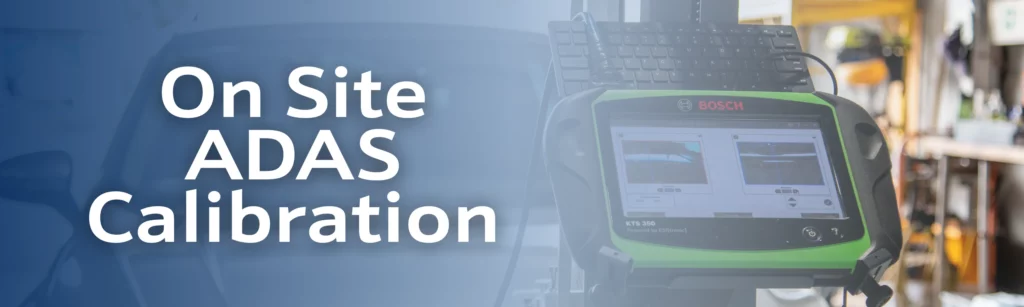
If your vehicle is fitted with driver assistance technology, ADAS Calibration in Busselton is not just a technical step. It is a safety requirement that ensures your vehicle’s advanced systems are operating within manufacturer tolerances.
Modern vehicles rely on cameras, sensors and radar units to assist with braking, steering and collision avoidance. These systems are highly sensitive. Even small changes to positioning, mounting or glass alignment can affect how they interpret the road ahead.
As an authorised O’Brien® Dealer, we use the Cal-Tech® ADAS Recalibration system and want to help you understand what calibration involves, which will help you make informed decisions about windscreen replacement.
What Is ADAS?
ADAS stands for Advanced Driver Assistance Systems. These features are designed to improve safety and reduce the likelihood of accidents.
Common ADAS features include:
• Lane Keep Assist
• Forward Collision Warning
• Autonomous Emergency Braking
• Adaptive Cruise Control
• Traffic Sign Recognition
• Blind Spot Monitoring
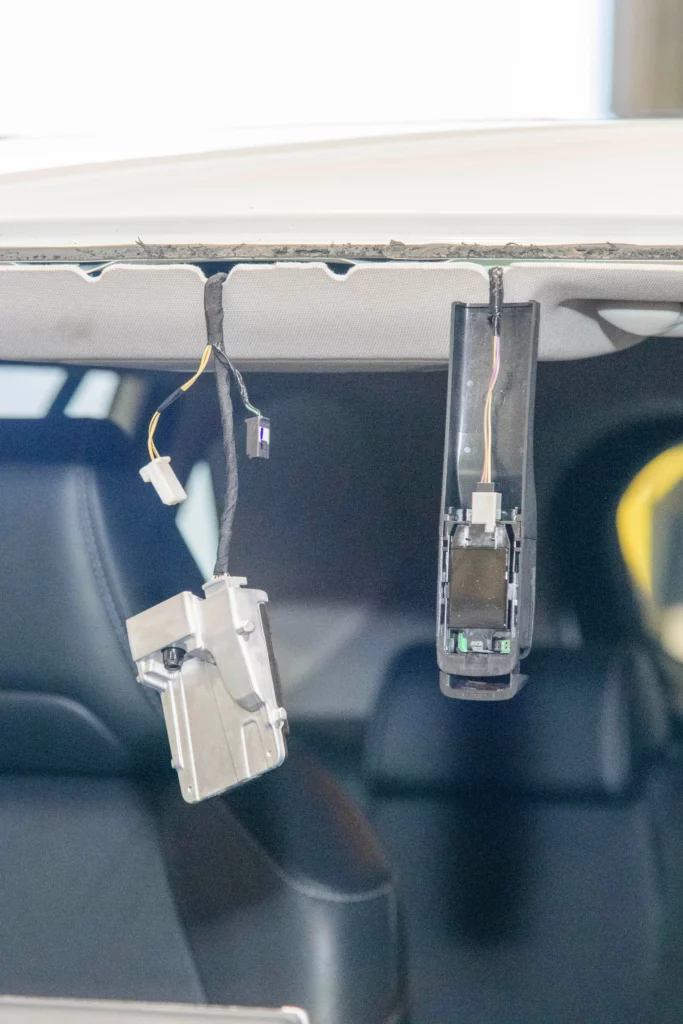
Many of these systems rely on cameras mounted behind the windscreen or radar units integrated into the front of the vehicle.
If you have a camera near your rear-view mirror or radar in the grille, your vehicle likely requires careful calibration procedures after certain repairs.
How to Tell If Your Vehicle Has ADAS
Not every driver knows whether their vehicle is fitted with Advanced Driver Assistance Systems. The easiest way to check is to look for visible features and dashboard indicators.
Below is a practical guide to help identify common ADAS components.
ADAS Identification Guide
| What You Notice in Your Vehicle | What It Usually Means | Possible ADAS Feature |
|---|---|---|
| A small camera housing behind the rear-view mirror | Forward-facing camera mounted to windscreen | Lane Keep Assist, Forward Collision Warning, AEB |
| A radar panel or sensor in the front grille or bumper | Radar-based distance detection | Adaptive Cruise Control, Collision Mitigation |
| Steering wheel gently correcting itself | Active steering assistance | Lane Keep Assist |
| Vehicle automatically braking in emergencies | Autonomous braking intervention | Autonomous Emergency Braking |
| Warning lights when drifting over lane markings | Lane detection system | Lane Departure Warning |
| Speed limit signs displayed on dashboard | Camera-based sign recognition | Traffic Sign Recognition |
| Orange or yellow lights in side mirrors | Side-mounted sensors | Blind Spot Monitoring |
| Cruise control that adjusts speed automatically | Radar-based vehicle tracking | Adaptive Cruise Control |
If your vehicle has one or more of these features, it likely requires ADAS calibration to be confirmed within manufacturer tolerances after certain repairs.
If you are unsure, checking your owner’s manual or confirming with a qualified specialist is advisable.
What Does ADAS Calibration Mean?
Calibration ensures that cameras and sensors are aligned exactly as the vehicle manufacturer specifies.
Industry authorities such as Thatcham Research state that post-repair calibration must be undertaken and confirmed within vehicle manufacturer tolerances. This reflects the safety-critical nature of these systems.
The Auto Glass Safety Council also emphasises prioritising proper ADAS calibration after windscreen replacement to ensure systems function correctly and safely.
In Australia, an industry code of conduct exists that includes best practice guidance for working on ADAS-equipped vehicles. This includes confirming vehicle features and following OEM requirements rather than assuming calibration is optional.
Calibration is not guesswork. It is a controlled process designed to ensure safety systems operate as intended.
What out customers say about working with us
Justin S
Massive shout out to the whole team who dropped everything to help us after a kangaroo decided to take a closer look at my windscreen. We needed to head back to Perth that day and they fit us in. So appreciative of their kindness.
Anne L
Big shoutout to you guys, awesome service and very prompt. We came over from Manjimup and got a chip in our windscreen and they patched it straight away.
Anne L
Awesome service and very prompt response when we needed urgent repair work. Great experience from start to finish.
Why Windscreen Replacement Can Affect ADAS
Many front-facing cameras look directly through the windscreen.
Changes in:
• Glass thickness
• Optical clarity
• Mounting brackets
• Adhesive curing
• Sensor positioning
can alter what the camera “sees”.
Even if the vehicle appears to drive normally and no dashboard warning lights are visible, the system may still be outside manufacturer tolerances.
That is why calibration requirements are determined by year, make and model rather than assumption.
Static vs Dynamic Calibration
Two common approaches are used depending on manufacturer requirements.
Static calibration
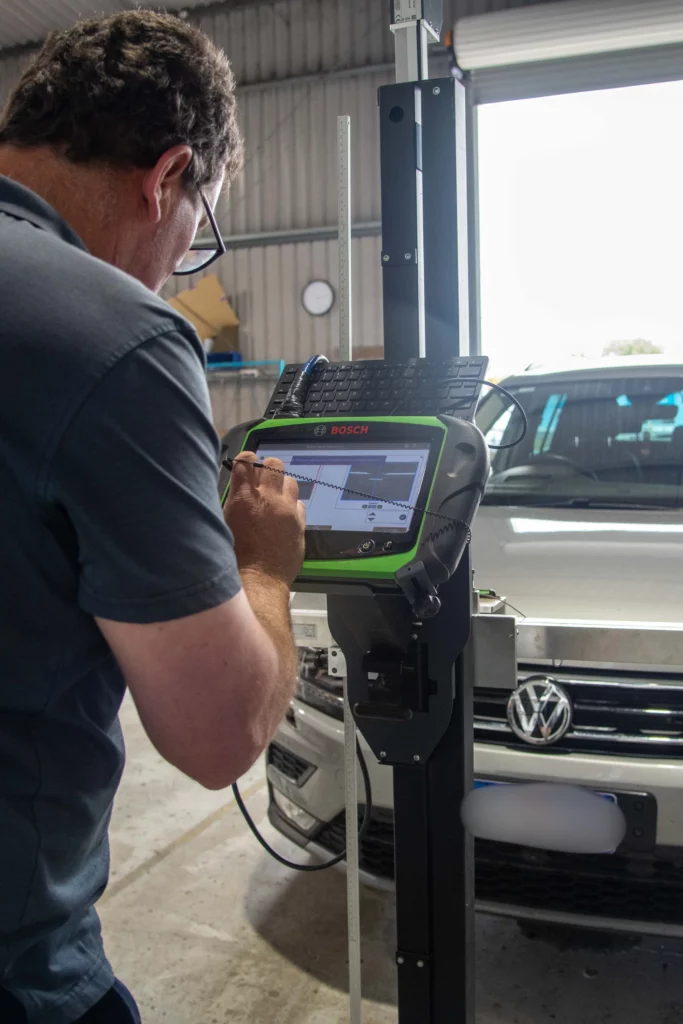
This method uses specialised targets positioned in a controlled workshop environment. Measurements must be precise, and lighting and floor levels can influence results.
Dynamic calibration
This involves driving the vehicle under specified conditions while connected to a diagnostic scan tool so the system can calibrate under real-world conditions.
Some vehicles require one method. Others require both. The correct approach depends on OEM specifications.
Environmental conditions, road quality and workshop setup all play a role in achieving correct alignment.
Why Proper Calibration Is Critical for Safety
ADAS systems support braking, steering correction and collision mitigation. They are only as reliable as their alignment and calibration status.
If systems are not calibrated correctly, potential risks may include:
• Delayed or inaccurate braking responses
• Lane assist reacting incorrectly
• False alerts
• System shutdown or stored fault codes
Calibration ensures that these systems operate within the safety margins defined by the manufacturer.
Skipping calibration may compromise system performance and could affect safety outcomes.
When Is ADAS Calibration Required?
Whether calibration is required depends on the manufacturer’s specifications.
It may be required after:
• Windscreen replacement
• Front-end collision repairs
• Suspension changes
• Sensor removal or replacement
• Significant impact events
Requirements vary by vehicle and sensor type. That is why calibration checks are performed by vehicle year, make and model rather than by assumption.
If you are unsure, it is always advisable to confirm requirements before returning the vehicle to full use.
Insurance and ADAS Calibration
Insurance policies vary.
Insurers often refer to repairing vehicles to a safe and manufacturer-compliant standard. Whether calibration is included as part of a windscreen claim depends on the policy and level of cover.
If your vehicle is ADAS-equipped, it is reasonable to ask your insurer whether calibration is included when glass is replaced.
Local Safety Focus in Busselton and the South West
Driving conditions in the South West include rural roads, coastal weather exposure and long-distance travel. Accurate driver assistance systems support safer travel in these varied environments.
ADAS Calibration Busselton is not optional, it’s paromount for maintaining the integrity of the systems already built into your vehicle.
If your vehicle has recently had a windscreen replaced or front-end repair completed, and you are unsure about calibration requirements, speak with a qualified local specialist.
Learn more or contact our team, we are located at 7 Goldsmith St, Busselton.
FAQ’s about ADAS Calibration
What is ADAS calibration?
Do I need ADAS calibration after windscreen replacement?
How do I know if my car needs ADAS calibration?
What happens if ADAS is not calibrated correctly?
Is ADAS calibration always required?
How long does ADAS calibration take?
Can ADAS calibration be done outside?
Can I recalibrate my windscreen myself?
Does insurance cover ADAS calibration?
Can a pothole or minor bump affect ADAS alignment?
If my dashboard has no warning lights, am I fine?
What is the difference between static and dynamic calibration?
How often should ADAS calibration be done?
Which vehicles have ADAS systems?